Yoga Nidra: The Complete Guide to Yogic Sleep for Deep Relaxation
This modern life can make your body to be tired and your mind to be alert. After a long day, you can be lying in bed, and your mind will still be buzzing. This is where yoga nidra can be helpful. This is a guided practice to get the body into deep rest, practicing a more gentle awareness of consciousness.
In contrast to normal sleep, yoga nidra does not unconscious you. Leads you through relaxation and awareness levels. Therefore, it's sometimes referred to as yogic sleep.
If you want to make an understanding of what is yoga nidra, how it functions, and why numerous people locate use of rest through yoga nidra to be so useful, then this advice will come in handy for you in simple words.
What Is Yoga Nidra?
What is yoga nidra? It's a relaxation exercise that is taught in the relaxation position. Body relaxes so deeply, and mind follows as the voice and/or instructions are given by the guide.
“Nidra” is a Hindi word which translates to “sleep”. But Nidra yoga is not the normal sleep. While performing the practice, you might pass in and out of wakefulness and sleep-like relaxation.
A typical yoga nidra meditation may include:
- Levelling out the body in comfortable position
- Following slow breathing
- Bringing attention to different body parts
- Noticing sensations without reacting
- Watching thoughts come and go
- Using a simple intention or sankalpa
- Slowly returning awareness to the surroundings
It is not to make the mind empty. Yoga nidra, on the other hand, enables the body and the mind to go slow on its own.
How Yoga Nidra work?
The method used to get the attention in yoga nidra is through guidance of awareness. You usually lie on a bed or floor, close your eyes and do exercise as requested by a teacher.
Slowly draws awareness back from activity in the outside world. Sometimes you will feel it first, your breathing, sounds, feelings and thoughts later.
The Body Becomes Still
In nidra (sleep) yoga movement is to be kept to a minimum. This relieves a little of the tension that has the body throughout the day.
No stretching and no holding no holding difficult yoga poses. Main work is carried out by awareness and relaxation.
The Mind Stays Gently Aware
One of the most popular yoga nidra meditation questions is that of stopping thought.
No. Thoughts can arise during the practice. You just see him/her and shift your attention back to the guide.
Yoga nidra is not an attempt to force control on all thoughts.
Yoga Nidra for Sleep: Can It Help You Rest Better?
Yoga nidra is a sleep practice favored by many since it appears that even as the body gets tired, the mind is occupied.
If the bedtime worries, this is too much that they might be under stress, use of screens and an irregular routine can make it difficult to relax. A calming activity in the evening can be useful to help smooth the transition from everyday living towards sleep.
Why Yoga Nidra for Sleep Feels Different
In yoga nidra sleep technique one does not try to fall asleep. Rather, you allow the body to relax.
It may come in handy when you:
- Feel mentally active at bedtime
- Have trouble relaxing after work
- Carry tension in the body
- Have a peaceful sleep time routine!
- Find silent meditation difficult
Others might fall asleep while practising nidra yoga and others remain aware throughout a majority of the practice. These both are experienced.
If nighttime routines are slow, it can be a soothing way to sleep using Yoga for sleep and gentle breathing.
Yoga Nidra Meditation: A Simple Practice for Beginners
As for advanced yoga, there is no need to have any advanced experience to practice yoga nidra meditation. Can be learned by beginners with a guided recording with teacher.
Step 1: Find a Quiet Place
Choose a place where you can lie down without being disturbed. Do not use mobile phone or silence them.
Step 2: Lie Down Comfortably
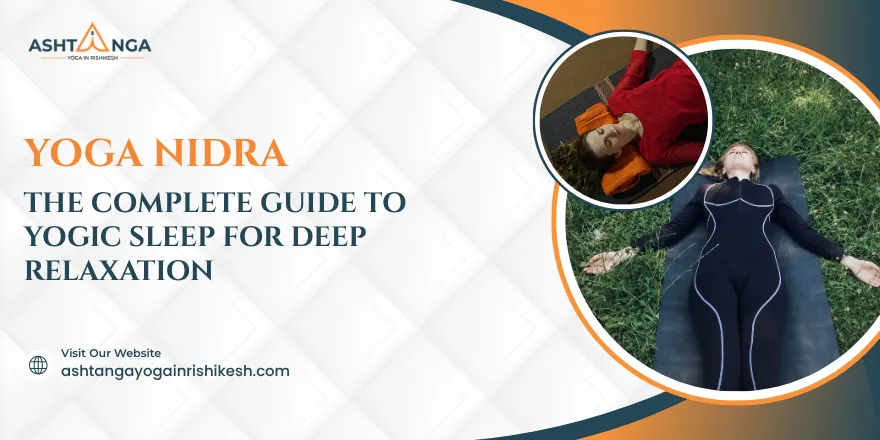
Lie on your back. Your legs should be a little wider than shoulder width apart and your arms at the side of your body.
Use of a pillow, folded blanket or light covering is permitted if necessary.
Step 3: Follow Your Breath
Take slow and natural breaths. Avoid too large of a change in breathing.
Just observe the flow of in and out breath.
Step 4: Move Your Awareness
During yoga nidra meditation, the teacher might encourage you to pay attention to various body parts.
For example, you may bring attention to:
- Right hand
- Left hand
- Feet and legs
- Stomach and chest
- Face and head
This is the awareness of the body that can alert you to tension.
Step 5: Notice Thoughts Without Chasing Them
Yoga nidra can be a time for thoughts. There will be no battle with them.
Think the set of thoughts move like clouds over sky. Pay attention to them then slip back in on the instructions.
For people who are new to meditation, a good understanding of how awareness and attention works can be gained from learning Meditate for Beginners.
Yoga Nidra Benefits for the Body and Mind
The yoga nidra benefits are primarily related with deep relaxation, awareness of the body and mental rest. It's a very marital gentle exercise, so it could include the majority of daily habits.
1. Supports Deep Relaxation
The primary benefit of yoga nidra is its sense of relaxation. This is when the body is not moving, attention is not moving.
2. Helps Calm a Busy Mind
Regular nidra yoga could be helpful to establish a quiet place for them to retreat from tasks or communication and the worry.
3. May Sleep Better.
Yoga nidra as a sleep practice is an integral part of a therapeutic bedtime sequence. Could assist you to mentally and physically rest.
4. Builds Body Awareness
Yoga nidra meditation teaches you to be aware of the bodily sensations, but not immediately do something about them. This can facilitate the body's feedback on you.
5. Gives the Mind a Break
Apart from other yoga nidra advantages, one more is the chance to discontinue ceaseless mental activity.
Taking some time to pause and slow down during a short practice.
What Is the Best Time to Practice Yoga Nidra?
No preset ideal time for the yoga nidra. It depends upon the reason for which you're going.
You can practice:
- Whole Night (prior to bedtime).
- After a tiring day
- After a restful afternoon
- After physical yoga practice
- Whenever you need deep relaxation
Believing that yoga nidra is to help your sleep, practicing it before you go to bed may appear natural to you. Partial relaxation (without sleep) is achieved better with an early session.
Common Mistakes to Avoid in Nidra Yoga
Nidra yoga is an easy yoga yet some enthusiasts make it difficult for beginners.
Trying Too Hard
Easing up doesn't need to happening by force. Boost your body gradually.
Worrying About Falling Asleep
Don't think that you have failed or not done well if you fall asleep during yoga nidra time. Slowly you might fall asleep, particularly if you are really fatigued.
Moving Too Much
If it's necessary, it's okay to do little movements, but once comfortable; remain still.
Expecting Instant Results
The yoga nidra benefits may be different for anyone on any particular day. Take time to get used to the exercise.
Yoga Nidra vs Normal Sleep
Though there are some similarities in the words, the two sleep concepts, namely yoga nidra and normal sleep, are very different from each other.
The awareness is decreased to normal levels in the process of normal sleep. Yoga nidra meditation is a deeply relaxed state of the body and some awareness is retained.
This is not to say one was better than the other (FE demo). The need for sleep and the relaxation and awareness-based exercises of nidra yoga are two that are important for people's health, and that can be done together with healthy sleep habits.
How Long Should You Practice Yoga Nidra?
The duration of yoga nidra meditation practice can vary from short meditation to the long one. For those new to the practice, it is advised to begin around 10-15 minutes and gradually build up the duration if you find it enjoyable.
Even if you are doing a short practice, you can have a good break in a hectic day while you practice guided relaxation, but it can be longer if you allow yourself more time.
It is consistency and not practice and training for too long that is key.
Yoga Nidra: Make it A Simple Daily Routine
Yoga nidra doesn't require a particular location, or a complicated practice. Usually a quiet room, comfortable clothes and the time to rest without being disturbed is sufficient.
Have a brief guided time. Do not have high expectations. Normally, the body should be still but if it isn't, follow the instructions and let the attention away through the body.
Yoga sleep may eventually become an evening routine and yoga sleep meditation can be a helpful method to break up your day.
The key thing to remember is that more activity isn't always better activity! At times the body and mind require permission to stop, to be quiet and to rest. It is there because it is in the space of nidra yoga can be of significance to your yoga.