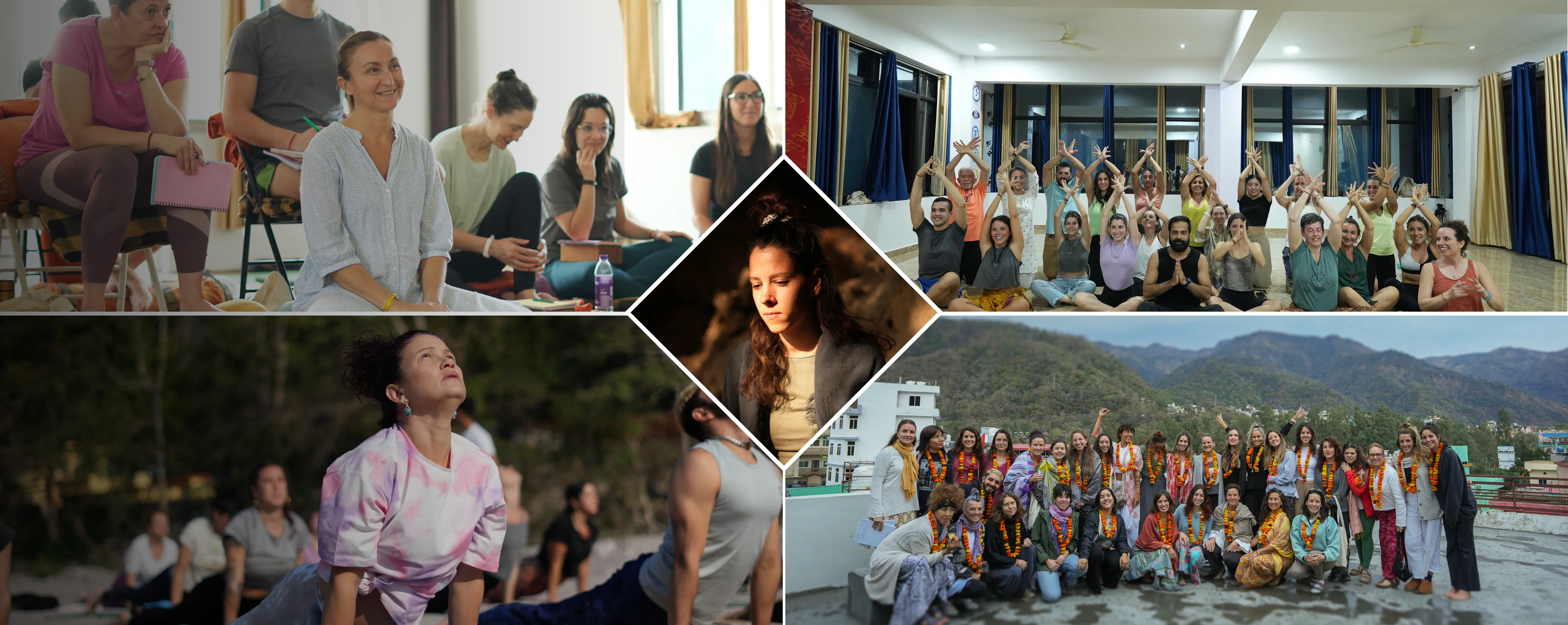

How Yoga for Sleep Can Help You Relax, Reduce Stress, and Sleep Better
Both How to Meditate for Beginners and Yoga for Mental Health may aid you in the peaceful bedtime routine. With a full day and a busy mind, the body may become fatigued while the mind remains active, making memories of both the past and future events. After a full day and when you are wondering about the day or maybe the day after, or what you have just seen on the screen or what to do in your family, your body may feel tired, but your mind isn't. Yoga for the evening can help set the stage for a peaceful transition from day to night. You don't have to try to fall asleep – you can work your way into sleep by letting your body and mind relax.
How Yoga for Sleep Supports Relaxation
These are all areas where the body will have tension at the end of the day. You can use gentle stretching to learn about these areas and help to eliminate any extra tension.
If you want yoga to help you sleep, a gentle session is typically more appropriate than one that is strenuous. The goal is to end your practice in a relaxed state and not a highly energised state.
Yoga Poses for Sleep to Practise Before Bed
The ideal yoga positions to sleep in will be comfortable, easy and adaptable. No need for very advanced flexibility and experience to start with.
1. Child’s Pose
Child's pose is a relaxing posture where the body is at rest. Press your head against the cushion if necessary and breathe slowly. One of the simplest yoga positions to fall asleep in for beginners.
2. Reclining Butterfly Pose
Lying supine with feet together, let knees open slightly. Use cushions under knees for support. This position is also beneficial to yoga practice for sleep.
3. Legs-Up-the-Wall Pose
While lying on your back, place your legs against a wall. Relax the shoulders as you breathe normally. and sample for just a couple of minutes.
As this is a restorative posture, it can easily be incorporated into yoga for deep sleep practices, since there is not much movement involved.
4. Supine Twist
With knees bent, lie on your back. Ease both knees down to one side, keeping shoulders comfortable. Go back to the main centre and do it on the other side.
5. Savasana
End your practice with Savasana. Relax your arms, legs, jaw and shoulders. Remain still and listen to your inner breath. It may just be a concluding pose for yoga for good sleep.
Yoga for Better Sleep: A Simple 10-Minute Routine
There’s nothing to say that yoga for sleeping well can be an hour-long undertaking. It might be simpler to do a short evening routine.
Try this sequence:
- 1 minute or so of relaxing breathing.
- 1 minute of Child’s Pose
- 2 minutes of Reclining Butterfly
- 2–3 minutes of Legs-Up-the-Wall
- 1 minute of gentle Supine Twist
- 2 minutes of Savasana
This easy yoga routine can become a nightly ritual for better sleep
Yoga for Deep Sleep Through Slow Breathing
When we breathe, we have a ground for the mind to focus on. Deep sleep yoga generally does not include forceful breathing; it's slow and natural breathing.
Try these steps:
- Lie down or sit comfortably.
- Let face, shoulders and hands relax
- If comfortable, breathe slowly through the nose.
- Take the breath out but expand it slightly without making it longer.
- Play several easy-going rounds.
- Go back to normal rate of breathing as required.
This can help with the slower beat when you're near your bedtime and assist you in getting into yoga's deep sleep.
Yoga in Bed for Sleep: Gentle Night Movements
Yoga for sleep can be helpful as soon as you don't want to get onto a yoga mat for your bedtime routine. These movements should be simple & relaxed.
You can try:
- Gentle ankle circles
- Knee-to-chest movement
- Slow shoulder rolls
- A soft lying twist
- Quiet breathing with closed eyes
Yoga to help fall asleep is no substitute for an actual yoga class. Just a convenient means to incorporate a couple of soothing motions prior to switching off the lights.
If the mattress does not feel firm and stable for a certain movement, try to change to another firm and safe framework.
Making Yoga Mudra for Sleep a Habit
Keeping hands in a comfortable mudra, sit or lie comfortably. Breathe out and in for a few minutes, keeping your eyes closed.
Yoga mudra for sleep may help you recognise that it is time to relax. Doing the same yoga pose while lying down every night can also help make your bedtime ritual feel more familiar.
Yoga for Better Sleep at Night: Improve Your Evening Routine
The ideal environment for sleeping at night and doing yoga is one that is also relaxing. In any case, great screens, loud sounds or unfinished work can interrupt the peaceful, really mindful session.
If you practise yoga for sleep, try these practices:
- Maintain the same bedtime and morning routine.
- Reduce phone and laptop use before bed.
- Get challenging tasks done earlier in the evening.
- Keep your bedroom comfortable and quiet.
- Opt for low intensity exercise rather than late night exercises.
A few alterations can help you to keep up your yoga practice with ease for a good sleep at night.
Yoga for Sleep and Relaxation in Rishikesh
It is synonymous with yoga, meditation, and yogic study in the old ways across the world, in particular at its home base, Rishikesh. It can be a natural way to close off a day of yoga studies, sightseeing or daily activity without resorting to a violent or aggressive ending.
Gentle yoga asanas, breathing, meditation, and yoga nidra may be used as part of sleep and relaxation in Rishikesh. This practice does not have to be lengthy. Just a few hours of restorative motion at the end of the day will make a valuable pruning experience.
While you are practising yoga in Rishikesh, you can enquire of your yoga teacher what type of yoga thing you should do after practice so that it is fit for you and feels good for you.
Who Can Practise Yoga for Sleep?
Many yoga enthusiasts will find the gentle and comfortable movement of yoga for sleep easily suited to them. It's possible it may be good for those that
- Sit for long hours during the day
- Stiffness that comes up at nighttime
- Carry daily stress into bedtime
- Prefer gentle physical activity
- Take a break from screens at night!
Yoga should not be seen as a substitute for the advice of a medical practitioner. When the sleep difficulties persist for extended periods and are a significant issue in life, consult an accredited health care provider.
Common Mistakes to Avoid
Yoga for good sleep does not add to the pressure in the evening.
Avoid These Bedtime Yoga Mistakes
- Doing a very intense workout immediately before bed
- Forcing the body into deep stretches
- Sitting into pain in a posture
- Using difficult breathing practices without guidance
- Viewing the phone between each posture
- Believing one yoga practice will cure all insomnia!
On the contrary, practise yoga for restful sleep in a simple, familiar and relaxed manner.
Final Thoughts on Yoga for Sleep and Relaxation
Winding down the day with yoga for sleep and relaxation will create a peaceful turn of the day. Slow breathing, yoga poses for sleep, yoga nidra, mudras and meditation may all be helpful to grow as part of the nighttime routine.
In case you're practicing yoga at home and for getting a restful sleep or alternatively practicing yoga classes in Rishikesh, do not complicate your routine and try out new methods on the daily. If yoga feels stressful rather than relaxing, it isn't doing what it's supposed to do!
Yoga can be a natural part of your nightly routine; with practice, sometimes you can use yoga as a way to sleep, as a way to sleep well at night or as a way to better sleep at night.