How Nadi Shodhan Pranayama Calms the Mind and Balances Energy ?
You tend to breathe differently when you're feeling different emotions. When you are feeling worried, your breathing rate will increase, when you are relaxed, your rate and depth of breathing will decrease.
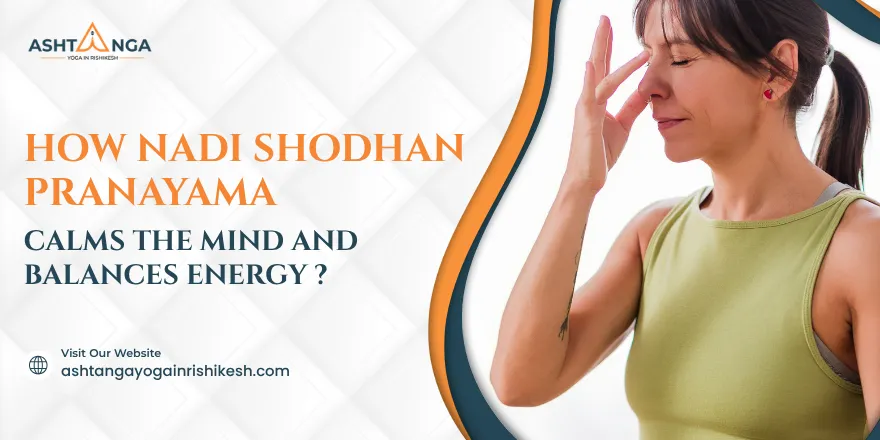
The correlation between breath and mind has long been explored in yoga. One exercise that follows this concept is called Nadi shodhan pranayama. Takes turns to breathe out of alternate nostrils and breathes slowly and in a controlled manner.
It is used in traditional yoga to help with the balance of prana (life energy). On a practical level, it can also provide a good baseline to focus on at a glance.
Why Does Nadi Shodhan Pranayama Feel Different From Normal Breathing?
Normal breathing occurs spontaneously during any tasks, strolling, speaking or rest. Various stages of nadi shodhan pranayama help to be conscious of the breathing and its flow awareness.
You see which nostril is operative, the amount of breath received on in-breath and out-breath and also relaxation of the body. This invites the normal breathing process into the realm of mindfulness.
What Does Balanced Energy Mean in Daily Life?
The term “energy balance” can be confusing to a beginner. It doesn't just mean that someone has more energy. This may be interpreted as feeling relaxed and alert with no strange over-activity or fatigue.
For example:
- You can feel refreshed without feeling jittery.
- You can feel relaxed without feeling sleepy.
- Can concentrate without being overwhelmed mentally.
- Can deal with situations without a hurry.
Therefore, the advantages of nadi shodhan pranayama are always associated with calmness and mental agility.
How Nadi Shodhan Pranayama Supports Mental Focus
Many people are unable to sit still and stay quiet in their minds because their minds are occupied. Nadi shodhan pranayama may be done prior to meditation, as it simplifies the mind structure for doing meditation.
Breath counting can be used to create awareness.
Some quietly do this trying out the alternate-nostril pattern with each breath they take.
For example:
Inhale → change sides → exhale → inhale → change sides → exhale.
This may vary from yoga tradition to yoga tradition. Primary functions are to maintain ease of breathing and maintain attention intact.
This is one of the benefits of the practical nadi shodhan pranayama for people who are challenged in concentrating themselves.
What Are the Main Nadi Shodhan Pranayama Benefits?
The experience of 'pranayama' may vary from one individual to another. It should not be used as a cure for a medical issue.
Traditionally there is a good place for regular, comfortable practice to be recognised for its calm and steady practice in preparing for meditation.
Some commonly discussed nadi shodhan pranayama benefits include:
1. A More Peaceful Breathing Rhythm
Alternate-nostril breath is meant to bring conscious minded breathing to the fore and slow the breathing down rather than letting automatic breathing take over.
2. Better Breath Awareness
Notice how fast, deep, and smooth your breaths are.
3. A Quieter Practice Environment
It's possible that your environment stays the same, but practising breathing can help create less scattered attention.
4. Preparation for Meditation
The practice can help to establish a slowdown upon the end of the physical activity and lead into a lighter meditative practice.
5. Greater Mind-Body Awareness
Begins to see that adjustments in the mind/emotions will also alter breathing.
These are some of the prominent advantages of nadi shodhan pranayama and why it's relevant in a mindful yoga practice.
Nadi Shodhan Pranayama Is Not About Taking the Biggest Breath
An easy beginning error is the notion that the more the breaths, the more the pranayama level.
The focus of nadi shodhan pranayama is not so much to fill the lungs up to the max and more on smooth and comfortable breathing.
A good breath should feel comfortable.
You should not feel you are struggling to breathe.
Avoid:
- Forceful inhalation
- Aggressive exhalation
- Tight shoulders
- Facial tension
- Uncomfortable breath holding
- Trying to copy an advanced practitioner
It is the quality of attention that is more important than the power of the breathing.
When Is the Best Time to Practise?
Some people like to go out at different times, as there are not any universal best times. Pick a time of quiet in which you don't have to hurry or rush anywhere.
Morning Practice
Morning exercise may be beneficial prior to activities of the day. It can also be beneficial to do prior to meditation or gentle yoga.
Evening Practice
An evening session can provide a peaceful time in between a hectic day and socialising.
Think about consistency; it's the most important thing. It is easier to stick with a short, routine practice session than to spend a long session just occasionally.
What Should You Feel During Nadi Shodhan?
Not every time will be an exciting time. The advantages of nadi shodhan pranayama may sometimes be subtle.
You might notice that:
- Breathe more easily.
- These shoulders are not as tight.
- You're more focused on your attention.
- You're no longer so distracted by your phone.
- It's easier to sit quietly.
You will sometimes not notice anything significant some days. This doesn't necessarily imply the lack of value for the practice. Yoga can have an emphasis on the small changes over an extended period of time.
Nadi Shodhan Pranayama vs. Anulom Vilom
Many people refer to alternate-nostril breathing as nadi shodhan pranayama and Anulom Vilom. But depending on the yoga teacher and tradition, it can be used slightly differently, particularly in regard to the holding of the breath.
Know the one practice you will learn from an expert teacher and avoid using various techniques.
Here is another article called Anulom Vilom Pranayama, which gives you an in-depth look at alternate-nostril breathing.
The key is to relax the breath and never push it.
How It Can Fit Into Daily Life
Having a long period of free time is not necessary for practising breathing. Nadi shodhan pranayama can be integrated into a normal part of your life if it is quiet.
Try It at These Times
- After waking up
- Before meditation
- After a busy work session
- In the evening
- Before quiet reading
- After gentle yoga practice
Choose a time when you are unlikely to be disturbed. A frequent short practice session will help establish a habit.
The Mental Benefits Go Beyond the Mat
Nadi shodhan pranayama reap benefits not just within the minutes of its practice.
The practice can help you to be aware of your reactions before your response. For instance, if a paying message is received and you become stressed, you can take a moment to take a breath and come back later to respond.
This little stop doesn't get rid of the problem; however, it may supply you with a method to think about your response.
Yoga for Mental Health can help you view the emotional aspect of wellbeing wider than the usual perspective because it teaches you about the relationship of various yoga practices with mental and emotional balance.
Common Mistakes That Can Reduce the Benefits
Practice of even the simplest breathing practice can be uncomfortably undertuned.
Breathing Too Hard
An increase in effort does not equal more benefit. Breathe slowly, and keep your breath under control.
Seated Nimble Body
Relax jaw, shoulders and tummy before starting.
Trying to Hold the Breath Too Long
Laying the initial foundations with long breath holds isn't for the newbies. Start to learn the pattern you want comfortably and increase your comfort level slowly.
Practising Only for Results
It can become tense as well if you are continually worried you are being balanced. Rather, take a breath, notice.
Creating a better connection with your breath.
Nadi shodhan pranayama is not only meant for the alternate movement of breath of nadi but also for the more profound aspect of it. It's the knowledge you obtain when you are learning.
You start experiencing alterations of your breath, thinking and body. This can help to serve as a helpful reminder to focus on breathing when there are busy times.
Previously the nadi shodhan pranayama will be associated with benefits related to balance, purification and preparing for the deeper yoga practices. Other aspects of the benefits of nadi shodhan pranayama can be realised in simpler ways in everyday life – by breathing calmly, focusing attention steadily and gaining an increased awareness.
Don't need to complicate the practice.
Sit comfortably. Breathe gently. Follow the pattern. Notice your mind. Remind yourself to bring your attention back to the breath.
While this is a simple process and practice, with regular use this can be a good quiet moment in an hectic day.