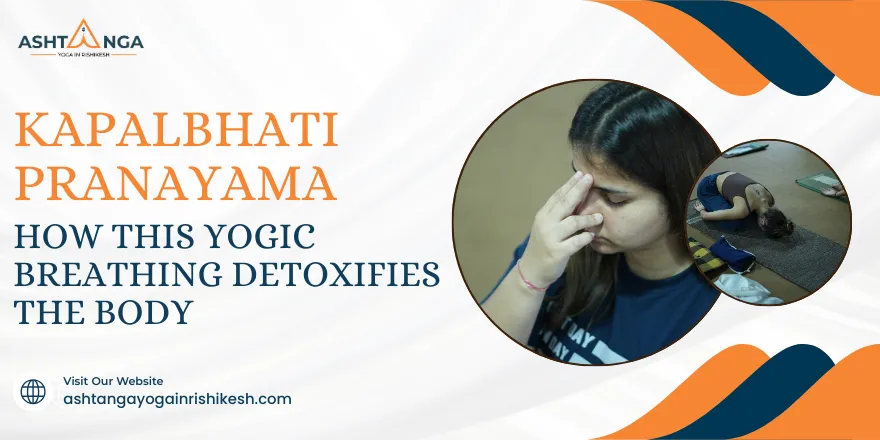
Kapalbhati Pranayama: How This Yogic Breathing Detoxifies the Body
One of the most effective yoga tools is breathing. By movie breathing methods the body and mind can be cleansed, replenished and harmonized. Kapalbhati pranayama is one of such potent yogic breathing techniques. This is a practice that is popular in the traditional form of yoga with the benefit of cleansing and energizing the organism, as well as, enhancing overall health.
Breathing activities in yoga philosophy are referred to as pranayama that translates to the control or the expansion of the life force energy (prana). It is believed that Kapalbhati was one of the best cleansing methods of the yogic science. It is able to get rid of toxins, nourishes better, elevates metabolism and clears the head.
This complete guide will explain what kapalbhati pranayama is and show how to perform it through its step-by-step instructions and various health benefits which it provides to both body and mind.
What is Kapalbhati Pranayama?
It is essential to know what kapalbhati pranayama is and why it has been regarded as one of the most effective detoxing techniques in yoga before coming to know how to do it.
Kapalbhati is a Sanskrit word based on two words:
- Kapal - literally, skull or forehead.
- And the signification of bhati - shining or illumining.
Kapalbhati combined refers to "skull shining breathing technique. This is the clarity and the energy experienced by the practitioners after practicing regularly.
This is not the same as most breathing techniques which emphasize the slow breathing, but instead the emphasis of kalabhati pranayama yoga is put on the exhalation which is forceful and on inhalation which is passive. The exhalation occurs in a quick manner which is done using the abdominal muscles and inhalation is automatic.
Kapalbhati also falls under the classification of a Shatkarma, that is, a yogic cleansing practice. It is created to cleanse the respiratory system, organs of digestion, and body energy streams.
The technique is normally practiced in the traditional schools of yoga and can also be mastered intensively through formal programs like ashtanga yoga classes whereby the practice of pranayama and cleansing is methodically taught.
Kapalbhati, its History, and Traditional Connection to Yoga.
There are strong traditions of the Kapalbhati pranayama in the ancient yogic texts. Classical yoga texts include Hatha Yoga Pradipika and Gheranda Samhita that talk about it. According to these texts, the method of cleaning the body and opening inner strength is called kapalbhati and is a potent technique.
Conventionally, yogis used the practice of the kapalbhati to eliminate the impurities in the nadis (energy channels). With the purification of such channels, the flow of prana will be made smooth and balanced.
Ancient yogis thought that consistent practice of pranayama could keep the body physically fit, the mind very sharp, and a man in touch with his spirit. Kapalbhati was usually performed prior to a meditation as it is more likely to calm down the mind and be more focused.
Nowadays, yoga practitioners worldwide gather in the conventional yoga schools and ashtanga yoga shala of Rishikesh, to learn the pranayama methods such as kapalbhati in their vintage version.
The way Kapalbhati Cleanses the Body.
Among the most well-known benefits of using the pranayama of the kapalbhati is the ability of this technique to detoxify the body.
In the process of breathing the abdominal muscles contract wildly to expel the lung air during the process of breathing known as kapalbhati breathing. The process results in a pump movement in the abdominal organs.
This is a strong motion dedicated to assist:
- Stimulate digestive organs
- Increase oxygen supply
- Elaborate on carbon dioxide and toxins.
- Improve blood circulation
- Activate metabolism
The quick breathing is also useful in clearing out the mucus and pollutants out of the breath system. This eventually enhances breathing and lung capacity.
Detoxification in yoga philosophy goes beyond physical toxications. Kapalbhati has another application releasing mental tension, emotional strain, stagnant energy and leaving the person performing the practice feeling lighter and in balance.
Kapalbhati Pranayama Steps
To perform proper and safe practice of kalpabhati pranayama, it is important to learn the steps. The novices are to begin slowly, at first gradually multiplying their speed and time.
1. Seat himself in an Easy Position.
Sit with a meditative position that is comfortable like:
• Sukhasana (Easy Pose)
• Padmasana (Lotus Pose)
• Vajrasana (Thunderbolt Pose)
Maintain the posture, exhibit carefree shoulders.
2. Place Your Hands on Your Knees
Gyan Mudra has your hands in a Knees rest position or just rest them.
Close your eyes and focus your attention on breathing.
3. Take a Deep Breath In
Get your lungs ready by breathing great amounts of air in through your nozzle.
This breathing must be smooth and mellow.
4. Forcefully Exhale Through the Nose
Tense up muscle around your stomach and blow out the air fast through your nose.
This is the chief - action of methods in Kapalbhati.
5. Allow Passive Inhalation
Following the forcible exhale, the inhalation should occur to take place naturally.
Then do not strain to breathe a forced breath.
6. Continue the Rhythm
Repetition Repeat the fast inhalations and exhalations in a regular pattern.
The beginners may start with 20-30 rounds per round of breathing.
7. Relax and Observe
Once one round is over, breathe deeply and relax. Experience what is going on with your body and mind.
These steps of the pranayama of kapalbhati can also be used as a regular practice to achieve great results in terms of the efficiency of breathing and physical health.
The Safest Way to Do Kapalbhati Pranayama.
Most novices have a question on how to practice kapalbhati pranayama in a good way that does not strain.
The following are significant policies:
Start Slowly
Novice athletes must work at a slow pace and pay attention to proper technique, instead of speed.
Use Abdominal Movement
The compression of the abdominal muscles should be the power, not the chest or the throat.
Keep the Spine Straight
The straight spine helps in better circulation of energy and breathing.
Practice on an Empty Stomach
Kapalbhati is to be practiced in the early mornings or at least 3-4 hours after the meals.
Avoid Overexertion
In case of feeling dizziness or discomfort, discontinue the exercise and breath in a regular manner.
Good practices can significantly enhance the practice when instructed the right technique by qualified yoga teachers. Several yoga practitioners enhance their understanding of pranaya by taking yoga training programs such as 200 hour yoga teacher training programs where breathing methods are taught in much detail.
Kapalbhati Pranayama Benefits
Kapalbhati pranayama has a lot of health and beneficial physical as well as mental benefits. The practice can bring about positive body and mind changes regularly.
Enhances the breathing system.
Kapalbhati, puts strength on the lungs and frees the breathing pathways. It assists in clearing up mucus and enhances the body circulation of oxygen.
This comes in handy to individuals wishing to enhance breathing ability.
Supports Digestive Health
The fast contractions in the abdomen induce digestive organisms like stomach, liver and pancreas.
This is capable of aiding digesting, lowering bloating, and assisting to keep a good metabolism.
Detoxifies the Body
Detoxification is one of the best kapalbhati pranayama effects. The habit aids in eliminating toxins via enhanced bondage and improved oxygenation process.
Boosts Energy Levels
People experience a refreshed feeling after doing the practice of kapalbhati. The elevated supply of oxygen is stimulated to the brain and the nervous system.
Helps in Weight Management
The metabolism is triggered by the abdominal pumping action which is able to assist weight management when used alongside a healthy lifestyle.
Improves Mental Clarity
Kapalbhati enhances the supply of oxygen to the brain and this thereby elevates concentration and thinking alertness.
This is convenient to the students, professionals, and any individual wanting to become more focused.
Reduces Stress and Anxiety
Practices involving breathing are having a calming effect on the nervous system. Kapalbhati assists in eliminating tension and allows emotional neutrality.
Engravers strengthen the stomach muscles.
Repeated contractions with the help of imitating the kapalbhati strengthen the muscles of the abdomen and get a better core.
Kapalbhati doing daily yoga.
Kapalbhati pranayama comes after yoga asanas and before meditation.
A normal yoga practice can have the following appearance:
- Yoga asanas (postures)
- Kapalbhati pranayama
- Other pranayama techniques
- Meditation or relaxation
Such a sequence assists in preparing the body and mind to a deeper level of meditation.
Retreats like a yoga retreat rishikesh are often attended by yogi who would like to indulge themselves in the traditional yoga lifestyle, where the use of pranayama techniques such as breath in or Kapalbhati are incorporated in day-to-day lives.
What to Do: Who Practices Kapalbhati Pranayama.
Kapalbhati would be appropriate to most of the individuals in need of enhancing their health in a natural way.
It can be beneficial for:
- Individuals that lead sedentary lifestyles.
- Persons that want to clean the body.
- Individuals using yoga as a method to enhance breathing.
- People who need to digest better and to metabolize.
Nevertheless, the novices are recommended to train slowly and to listen to their organisms when training.
Who Should Avoid Kapalbhati
Despite the positive effects of using the kalpabhati pranayama yoghurt, it cannot be applicable to all people.
Those who are ill with the following conditions are not to be allowed to practice or with guidance:
- High blood pressure
- Heart disease
- Hernia
- Recent abdominal surgery
- Pregnancy
- Severe back pain
You should be careful not to practice yoga without any medical conditions, as this can be harmful to you.
Tips for Beginners
These tips would encourage you to develop a safe, effective practice of pranayama especially when you are new at the practice.
Working in a Noisy Location.
Select a relaxing and serene area that you can concentrate on your breathing.
Maintain Consistency
Consistency in practicing is more relevant than prolonged practices. It can include even 5-10 minutes a day.
Combine with Yoga Asanas
Kapalbhati can be used together with yoga exercises to improve its efficacy.
Learn from Experienced Teachers
Instructed courses allow you to know more about pranayama in the safest way.
There are always some pitfalls in the practice of Kapalbhati.
Novices normally commit minor errors during the practice of learning how to perform the kapalbhati pranayama.
Kapalbhati and Mindfulness
Kapalbhati is more than a physical practice, it is also a mindfulness tool.
The concentration on breathing rhythm helps the mind to be present and more aware. This consciousness assists in cutting down distraction and psychosomatic tension.
Most of the practitioners observe that when treated with kapalbhati their meditation is better and more concentrated.
Kapalbhati in Spiritual Aspect.
According to yogic culture, breath is inextricably linked with prana, which is the life energy flowing in the human body.
This energy is activated and balanced with the help of Kapalbhati. Once the flow of prana is made to flow in doing so, the following are some of the things that the practitioners could feel:
- Greater awareness
- Emotional stability
- Mental clarity
- Deeper meditation
Because of this reason, the traditional yoga with its spiritual practices has used kalpabhati for centuries.
Conclusion
One of the most influential breathing techniques in the science of yoga is called Kapalbhati. The given simple but efficient practice is able to cleanse the body and strengthen the respiratory system, enhance the digestive process, and heighten mental clarity.
With this knowledge on what is kapalbhati pranayama, knowing how to do the right steps of kapalbhati pranayama and practicing it regularly you are able to see all the health benefits of the practice.
Kapalbhati pranayama yoga may be included into your routine lives whether you are a beginner yogi or an experienced one and can help bring balance and vitality in your lives.
This ancient type of breathing could be useful, especially when a person is patient, consistent, and guided correctly, and later it can be one of the effective means to enhance the physical condition and the inner world.