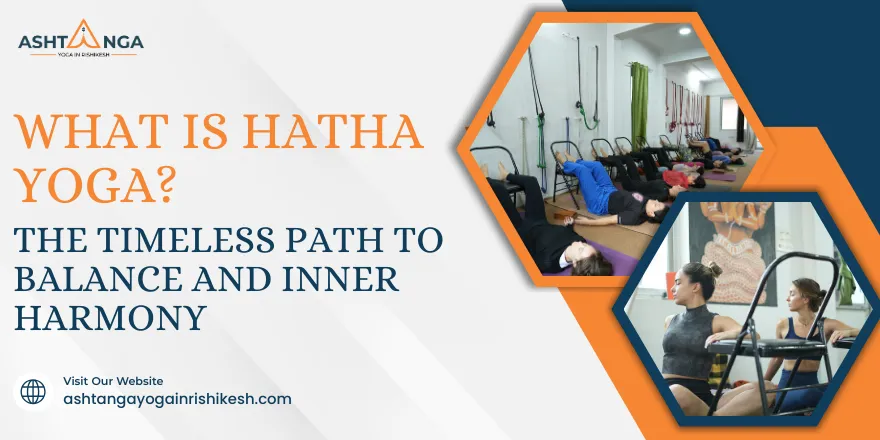
What is Hatha Yoga? The Timeless Path to Balance and Inner Harmony
Hatha Yoga is one of the oldest and most foundational branches of yoga, widely practiced around the world for its emphasis on balancing body, mind, and breath. The term "Hatha" derives from Sanskrit: "Ha" (sun) represents active, warming, energizing forces, while "Tha" (moon) symbolizes calm, cooling, receptive energies. Together, Hatha Yoga unites these opposites—strength with flexibility, effort with surrender, activity with stillness—creating holistic well-being.
Far more than physical exercise, Hatha Yoga prepares the body and mind for deeper meditation and spiritual awakening. In the sacred setting of Rishikesh, practitioners experience its authentic essence amid the Himalayas and Ganges.
What is Hatha Yoga All About?
Hatha Yoga is a complete system designed to:
- Prepare the body for prolonged meditation through strong, flexible posture
- Purify the physical and subtle bodies using postures, breath, and cleansing techniques
- Balance pranic energy (life force) to remove blockages and promote harmony
- Cultivate mindfulness, self-awareness, and inner peace
Core Practices of Hatha Yoga
Asanas (Physical Postures)
Poses that strengthen, stretch, and align the body. Examples: Tadasana (Mountain Pose), Trikonasana (Triangle Pose), Bhujangasana (Cobra Pose), and Balasana (Child’s Pose).
Pranayama (Breath Control)
Techniques to regulate and expand life force. Popular practices include Nadi Shodhana (Alternate Nostril Breathing), Ujjayi Breath, and Kapalabhati (Skull-Shining Breath).
Shatkarmas (Cleansing Techniques)
Six traditional purifications (e.g., Jala Neti for nasal cleansing) to detoxify the body and prepare it for higher practices.
Mudras & Bandhas (Gestures & Energy Locks)
Subtle practices like Mula Bandha (root lock) and Jnana Mudra to direct and contain prana.
Meditation & Relaxation
Mindfulness, guided relaxation, and seated meditation to calm the mind and deepen self-awareness.
Who Should Practice Hatha Yoga?
Hatha Yoga is highly inclusive and adaptable, making it suitable for:
- Beginners building a solid foundation in posture, breath, and mindfulness
- Those seeking gentle yet effective improvement in flexibility, strength, and stress relief
- People managing anxiety, fatigue, or seeking emotional balance
- Advanced practitioners preparing for deeper meditative or energetic practices
What Makes Hatha Yoga Unique?
Unlike faster-paced styles like Vinyasa or Ashtanga, Hatha emphasizes:
- Slower, mindful pace with longer holds
- Precise alignment and body awareness
- Breath as the bridge between body and mind
- Balance of effort and ease
Many modern styles (Vinyasa, Ashtanga, Iyengar, Yin) evolved from Hatha principles.
Benefits of Practicing Hatha Yoga
Physical
Improves flexibility, strength, posture, balance, circulation, and overall vitality.
Mental & Emotional
Reduces stress, anxiety, and fatigue; enhances focus, clarity, and emotional resilience.
Spiritual
Prepares the mind for meditation, fosters self-awareness, and connects to deeper yogic wisdom.
Hatha Yoga’s Roots and Philosophy
Hatha Yoga draws from ancient texts:
- Hatha Yoga Pradipika (15th century) – Classic manual on asanas, pranayama, mudras, and shatkarmas.
- Gheranda Samhita (17th century) – Describes seven stages of purification and practice.
- Shiva Samhita – Links Hatha to spiritual enlightenment and energy awakening.
How to Begin Hatha Yoga
- Start with simple poses: Cat-Cow, Downward Dog, Child’s Pose
- Practice basic pranayama: deep belly breathing or alternate nostril breathing
- End with relaxation and short meditation
- Join a beginner-friendly class or work with a qualified teacher
Experience Authentic Hatha Yoga in Rishikesh
Rishikesh, the birthplace of yoga, offers the perfect setting to explore Hatha Yoga—amid spiritual energy, expert teachers, and the serene Ganges. At Ashtanga Yoga in Rishikesh, we offer Hatha-inspired classes alongside our traditional Ashtanga programs, helping beginners and experienced practitioners find balance and depth in this foundational practice.
Final Thoughts
Hatha Yoga is more than physical postures—it's a sacred path to balance, health, and self-realization. Whether you're new to yoga or deepening your journey, its gentle yet transformative approach offers something profound for everyone.
Join our Hatha and Ashtanga classes in Rishikesh to experience this ancient wisdom in its spiritual home—where breath, movement, and mindfulness unite to awaken your true potential.