
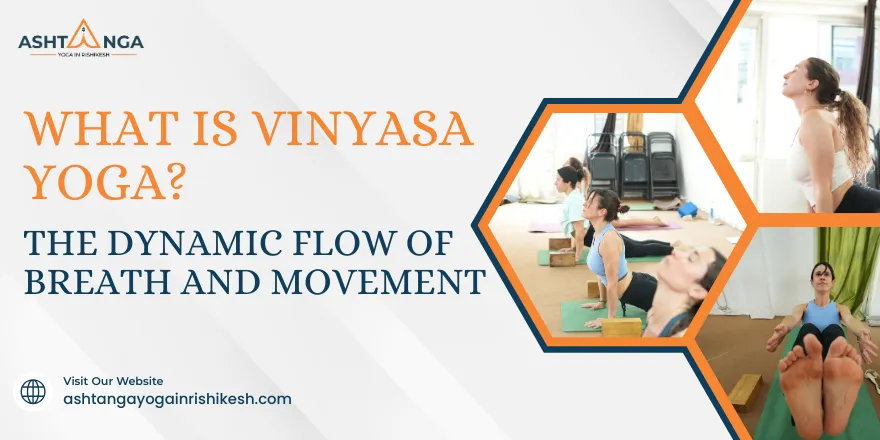
What is Vinyasa Yoga? The Dynamic Flow of Breath and Movement
Vinyasa Yoga, often called "Flow Yoga," is a dynamic and versatile style that synchronizes breath with continuous movement. Rooted in traditional yoga principles, it has become one of the most popular modern practices worldwide due to its creative sequences, meditative quality, and adaptability for all levels—from beginners to experienced practitioners.
In the spiritual hub of Rishikesh, Vinyasa classes blend authentic tradition with flowing creativity, helping students connect deeply with breath, body, and inner awareness.
Origins and Philosophical Perspective
The term "Vinyasa" comes from Sanskrit "vi" (in a special way) and "nyasa" (to place), meaning "to place in a special way" or "breath-synchronized movement." It emphasizes linking each posture to the breath, creating a seamless flow.
Vinyasa evolved from Ashtanga Vinyasa Yoga, developed by Sri K. Pattabhi Jois under his teacher Sri T. Krishnamacharya in the 20th century. While Ashtanga follows fixed sequences, modern Vinyasa allows teachers creative freedom to blend elements, making it more accessible and varied. Philosophically, it aligns with yoga's goal of uniting body, mind, and spirit—encouraging presence, acceptance of change, and mindful living.
Essential Characteristics of Vinyasa Yoga
Vinyasa stands out for its fluid, creative nature:
Breath-Synchronized Movement
Movements are guided by ujjayi breath—inhale to extend or rise, exhale to fold or ground—creating internal heat and meditative rhythm.
Creative Sequences
Unlike rigid styles, Vinyasa flows vary by teacher, theme, or energy level, incorporating sun salutations, standing poses, balances, twists, and inversions.
Dynamic and Fluid Flow
The dance-like quality builds cardiovascular endurance, strength, and flexibility while fostering a sense of play and presence.
Meditation in Motion
Continuous flow quiets the mind, turning physical practice into moving mindfulness.
Benefits of Vinyasa Yoga
Vinyasa offers holistic advantages for body and mind:
Physical Strength, Flexibility & Cardiovascular Health
Full-body engagement builds muscle tone, improves range of motion, boosts endurance, and elevates heart rate for better circulation and heart health.
Stress Relief and Emotional Balance
Breath-movement sync calms the nervous system, reduces anxiety, promotes relaxation, and enhances mood through mindful presence.
Improved Focus and Mental Clarity
The practice sharpens concentration, fosters self-awareness, and cultivates resilience amid life's changes.
What to Expect in a Vinyasa Class
A typical class begins with centering, breath awareness, and gentle warm-ups (e.g., cat-cow, sun salutations). It flows into dynamic sequences—standing poses, balances, backbends, twists—often linked by "vinyasa" transitions (plank → chaturanga → upward dog → downward dog). Classes end with cooling poses, hip openers, and Savasana for deep relaxation.
Styles vary: some energetic and fast-paced, others slower or themed (e.g., strength-focused or restorative). No two classes are identical—teachers adapt to the group.
Who Can Practice Vinyasa Yoga?
Vinyasa is inclusive and adaptable for all ages, fitness levels, and experience. Beginners start with modifications (e.g., knees down in chaturanga), while advanced students explore challenging flows. Listen to your body, use props if needed, and progress at your own pace under guidance.
Why Practice Vinyasa Yoga in Rishikesh?
Rishikesh, the birthplace of yoga, offers authentic Vinyasa classes in a serene, spiritual setting. Experienced teachers provide personalized adjustments, helping you deepen breath awareness and flow safely amid the Ganges' energy and Himalayan vibes.
Final Thoughts
Vinyasa Yoga is more than exercise—it's a living practice uniting breath, movement, and mindfulness for physical vitality, mental peace, and spiritual growth. Its fluidity mirrors life's constant change, inviting you to stay present and adaptable.
Step onto the mat, connect with your breath, and discover the transformative power of flow. Join Vinyasa classes or a retreat in Rishikesh to experience it fully.